Industries

Industry and Manufacturing

Industrial plants become digital hubs where people, information and processes coexist in one environment.

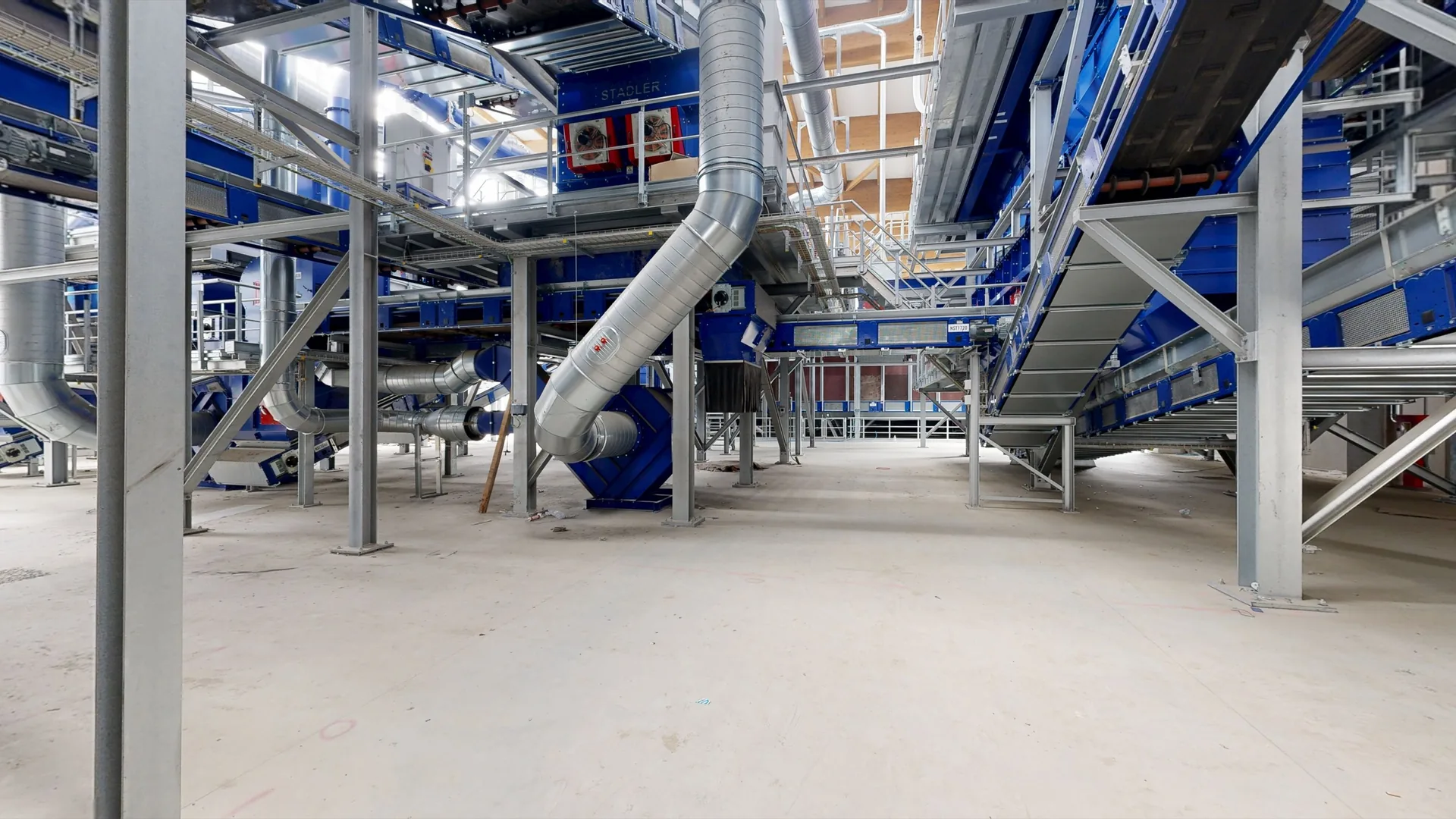
Three-dimensional digital model of an industrial plant

Production plants contain a wealth of knowledge, technical documentation, operating procedures, data and expertise built up over time.

In most organizations, this information is spread across manuals, software, management systems and people, making it difficult to find and use in daily work.

The Digital Twin is the starting point for a digital ecosystem where documents, data, content and applications come together in one environment, making work simpler, faster and more effective.

Recurring needs of manufacturing companies

Every company is different, but the needs that emerge are often shared.

  • Reduce the time and cost of technical training.
  • Preserve and transfer company know-how.
  • Make procedures and documentation immediately available.
  • Improve maintenance and technical support.
  • Bring data, software and information together in one environment.
  • Monitor plants more intuitively.
  • Make collaboration between departments, sites and suppliers easier.

From the plant’s digital copy to a new way of working

Production plant
Digital Twin
Digital hub
Technical documentation
Operating procedures
Training content
IoT systems
3D models
Data

Everything starts with the Digital Twin of the production plant.

The digital copy becomes the foundation for integrating technical documentation, operating procedures, training content, IoT systems, 3D models and data already available within the organization.

The goal is not to introduce more tools, but to enhance existing ones by organizing them in a single, intuitive and always-accessible environment.

The plant becomes a digital hub that supports people, processes and operations throughout its life cycle.

Applications

Contextual technical training

Training takes place directly inside the plant’s Digital Twin.

Manuals, procedures, videos and documentation are accessed in the real context where operators work, making learning more engaging, effective and measurable.

Assessments can become interactive experiences in which operators identify components, carry out procedures and make decisions directly in the digital environment.

Interactive manuals

Technical manuals, PDFs, machine data sheets, operating instructions and company documents are linked directly to plants and machinery.

Information becomes contextual: it no longer has to be searched for, because it is available exactly where it is needed.

Preserving and transferring know-how

A significant part of a manufacturing company’s value lies in its people’s experience.

Procedures, expertise, demonstration videos and operational knowledge can be collected and organized in the Digital Twin, making know-how easier to transfer and reducing the risk of losing critical skills.

Plant monitoring

Integration with IoT systems makes it possible to view data and information directly in the context of the plant.

Operators can explore the Digital Twin while consulting current values, equipment status and sensor data, making information easier to understand and decisions faster to make.

Remote collaboration and support

The Digital Twin can be shared in real time during video calls, allowing technicians, customers and suppliers to explore the same environment together.

This is particularly effective for service activities, sales training, technical support and operational coordination.

Custom applications

Every plant has different processes, structures and goals.

The Dimensione3 Software Platform supports dedicated functionality by integrating Digital Twins, business systems, databases, documentation, 3D models and specific applications around each organization’s needs.

A digital ecosystem built around the organization

Dimensione3 solutions do not replace the systems already used by the company.

Digital Twins, the Software Platform and TwinFor applications integrate with existing data, documentation, software and processes, enhancing the organization’s information assets and improving how they are used.

Platforms can be deployed in the cloud or on premises to meet the IT infrastructure and security requirements of complex organizations.

Digital ecosystem

Cloud
Data
On premise
Processes

Technologies

Digital Twins

Software Platform

TwinFor Training

TwinFor IoT

TwinFor Meeting

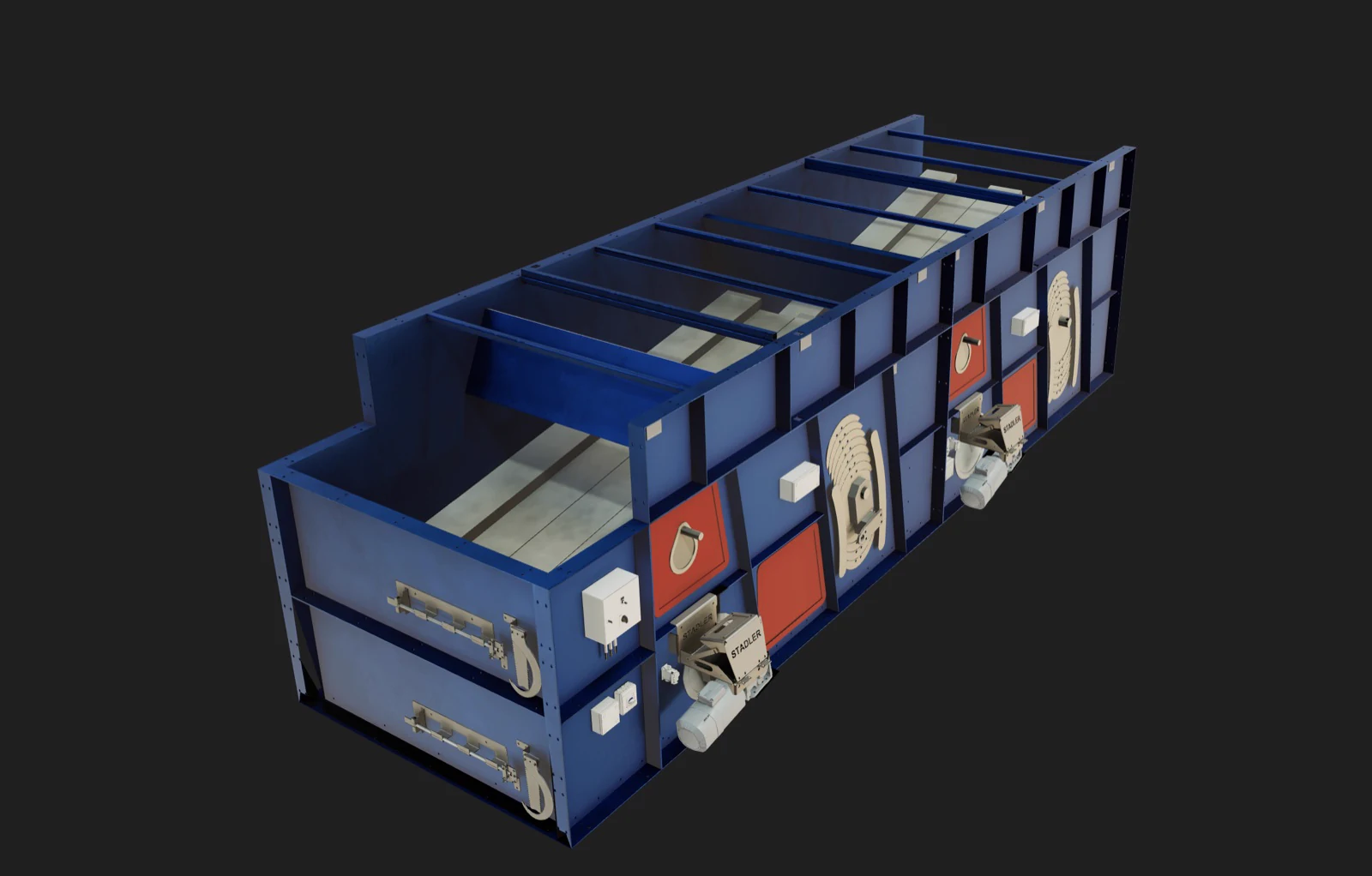
Digital Twins of machinery and assets

Integration with business systems

Cloud and On Premise